




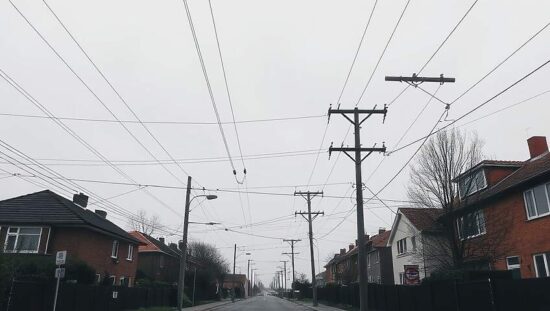
Accelerated Repairs Highlight Vulnerabilities in Berlin’s Infrastructure
Berlin authorities have announced a significant acceleration in the restoration of power to southwestern districts affected by a recent act of vandalism targeting critical infrastructure. According to reports released Wednesday by the Berlin State Chancellery, electricity is now expected to be restored to all impacted areas by 11:00 AM, a considerable improvement over the previously estimated Thursday afternoon timeframe.
The accelerated timeline follows intensive repair work on a damaged cable bridge over the Teltow Canal, the target of what officials are characterizing as an arson attack. While details surrounding the perpetrators and motives remain under investigation, the incident has exposed vulnerabilities in Berlin’s power grid and raised serious questions about the security of vital city services.
Currently, approximately 19,900 households and 850 businesses across the districts of Nikolassee, Zehlendorf, Wannsee and Lichterfelde remain without power. The swift progress in repair work, while welcome, underscores the fragility of Berlin’s infrastructure and the potential for significant disruption resulting from targeted attacks.
The incident has already prompted renewed calls from opposition politicians for increased investment in infrastructure security and a more thorough review of potential targets for sabotage. Critics are questioning whether existing preventative measures are adequate and whether sufficient resources are allocated to protect essential utilities.
“This situation highlights a deeply concerning trend” stated CDU parliamentarian, Katrin Gärtner. “While we commend the rapid response of the utility companies and emergency services, we must address the root causes of such attacks and ensure the resilience of our critical infrastructure against future threats. A reactive approach is simply not sufficient anymore.
The State Chancellery has confirmed a full investigation is underway, working closely with law enforcement agencies to identify those responsible and to strengthen security protocols. The incident’s long-term implications, however, extend beyond the immediate restoration of power, raising broader concerns about the safety and stability of Berlin’s essential services and the potential for future disruptions. The speed of the recovery also casts a spotlight on the resources available and how effectively they are deployed when responding to crises of this nature.