




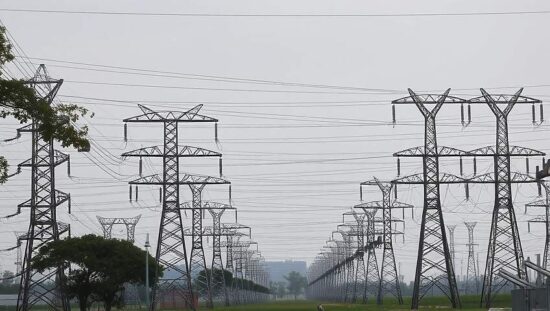
The suspected left-wing extremist attack on Berlin’s power grid over the weekend has triggered calls for heightened scrutiny and a federal investigation, raising serious questions about the effectiveness of current security measures and the potential for escalating politically motivated violence. Konstantin von Notz, Deputy Parliamentary Group Leader of the Green Party and Deputy Chairman of the Parliamentary Control Committee, has publicly demanded the involvement of the Federal Public Prosecutor’s Office, arguing the scale and potential consequences of the sabotage necessitate a more centralized and resource-intensive investigative approach.
Von Notz emphasized the dramatic impact on Berlin’s power supply and underscored the deliberate endangerment of the lives and health of thousands of residents. His statement comes amidst a concerning pattern of escalating attacks targeting critical infrastructure, not just in Berlin but also in Bavaria and elsewhere. While previous attacks have been linked to left-wing extremism through self-incriminating manifestos, investigative efforts have reportedly yielded little progress, further fueling anxieties and criticisms of the security apparatus.
“We expect all security agencies to relentlessly pursue any leads and potential underlying motives for these sabotage and influence operations” Von Notz stated, signaling a growing frustration within the Green Party regarding the apparent lack of decisive action. The demand for the Federal Public Prosecutor’s Office to become involved highlights a potential recognition that regional investigations may be insufficient to tackle what appears to be a coordinated and evolving threat.
This incident is likely to intensify the ongoing debate within Germany about the definition and prosecution of extremist violence, particularly focusing on the challenge of attributing responsibility and disrupting networks operating with a degree of anonymity and operational sophistication. Critics are questioning whether current monitoring and prevention strategies are adequate to address the escalating targeting of vital infrastructure, prompting calls for a reassessment of security protocols and intelligence gathering capabilities. The situation presents a significant challenge for the German government, requiring a delicate balance between safeguarding civil liberties and protecting critical national assets from increasingly brazen and politically charged attacks.