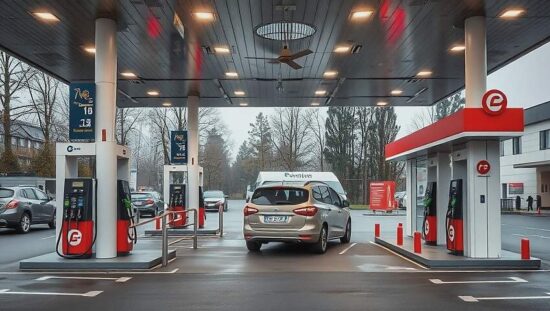


Since the implementation of the Austrian model at German gas stations starting April 1, 2026, fuel prices have risen compared to before the new regulation, according to an analysis released by the ADAC on Tuesday. A comparison of the oil price and the euro-dollar exchange rate in March, using the previous, free pricing system, versus April using the current Austrian model shows that the fundamental price level is significantly higher. The mineral oil corporations incorporate a high risk premium with the mandatory 12 o’clock increase, a premium that slowly dissipates throughout the day. Furthermore, the periods during which drivers can fill up below the daily average have become shorter compared to the free pricing model. Consequently, while drivers could plan well under the old system, they could also typically fill up much more affordably. According to the model, prices for gasoline and diesel rise sharply around noon, with Super E10 costing an average of a good nine cents more per liter and diesel costing 10.5 cents more. Afterward, prices begin to decline slowly until the early evening and remain relatively stable until the next morning. Drivers can fill up below the daily average starting at 6 am, and around 10 am, the price is approximately two cents below the daily average. Just before noon, when prices are 2.7 cents below the average, the most economical time to refuel of the day is reached. The daily, one-time price increase occurs again at noon.
Austria’s Fuel Price Model Drives Up German Gas Prices