




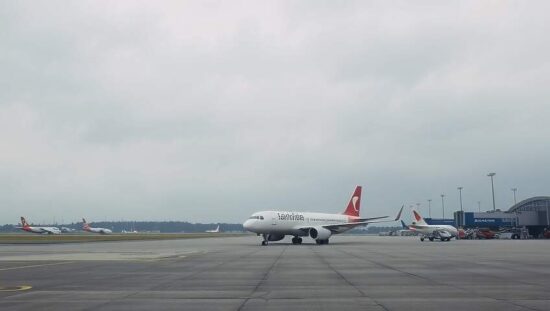
A looming dispute between Germany’s Transport and Finance ministries threatens to derail a planned reduction in air travel tax, potentially jeopardizing air connectivity and raising questions about the government’s commitment to regional economic development. The anticipated tax cut, promised to take effect on July 1st, remains financially unsupported, with the two ministries failing to reach an agreement on how to compensate for an estimated €350 million shortfall in revenue, according to “Rheinische Post”.
The Finance Ministry maintains that any funding for the tax reduction must be sourced from the Transport Ministry’s budget, a position rooted in a prior agreement within the governing coalition. A ministry spokesperson stated that internal deliberations are ongoing, emphasizing that the “financial leeway” to enact the reduction must be generated by the Transport Ministry. However, Transport Minister Patrick Schnieder has reportedly asserted that his department lacks the necessary budgetary flexibility.
The impasse has drawn criticism from within the governing ranks. Anja Karliczek, Chairwoman of the Bundestag’s Tourism Committee, cautioned against further delays, warning that continued uncertainty could lead to a reduction in flight routes, particularly impacting regional airports vital to connecting rural communities and supporting both the national economy and the tourism sector. Karliczek expressed hope for a swift resolution, but the current deadlock increasingly casts doubt on the government’s ability to deliver on its pledged tax relief.
The situation highlights a growing tension between fiscal austerity measures and promises made to key industries. Critics argue that placing the burden of offsetting the tax reduction solely on the Transport Ministry is unrealistic and shortsighted, potentially undermining broader efforts to bolster regional travel and connectivity. The controversy also raises broader questions about the coalition government’s internal cohesion and its ability to deliver on its electoral promises in the face of economic pressures. The outcome of these negotiations will likely have significant implications for German aviation and the economic vitality of its regions.