




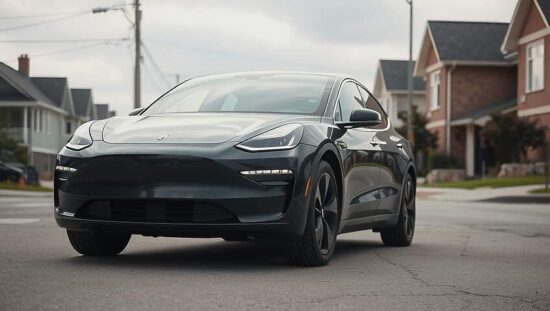
A proposal is currently under review within the German Federal Environment Ministry to introduce subsidies for the purchase of used electric vehicles, marking a potential shift in the nation’s approach to incentivizing electric mobility. While the government has recently finalized details for subsidies aimed at new electric vehicle buyers, this nascent plan signals a recognition of the need to broaden the reach of financial support to encompass the burgeoning second-hand EV market.
The move arrives amidst ongoing scrutiny of the existing new vehicle subsidy program. An SWR analysis revealed that the current levels of financial assistance are, for the first time, beginning to bridge the price gap between electric models and their combustion engine counterparts, particularly in lower vehicle classes. However, it falls short of making electric vehicles the unequivocally cheaper option across the board, raising questions about the program’s overall effectiveness in accelerating mass adoption.
The current new vehicle subsidy, still pending final approval from the European Commission, allows private individuals, based on income and family size, to claim subsidies of up to €5,000 for the purchase or lease of electric vehicles and plug-in hybrids. While lauded by proponents as a crucial step towards decarbonizing the transport sector, critics argue that the narrow focus on new vehicles disproportionately benefits wealthier consumers and overlooks the substantial potential of the used car market – a crucial pathway to affordability for a broader demographic.
The shift toward including used EVs in subsidy schemes represents a potential correction to this imbalance. However, the Environment Ministry is reportedly taking a cautious approach, emphasizing the need to carefully assess the most effective and sustainable methods of providing such support. Concerns revolve around preventing potential market manipulation, ensuring equitable distribution and rigorously verifying the environmental benefits derived from incentivizing used vehicles, many of which may have already accumulated significant mileage.
The decision to explore used EV subsidies also reflects a broader political calculation. With pressure mounting to demonstrate tangible progress towards Germany’s ambitious climate targets, offering support for a wider range of consumers and vehicle types could be politically advantageous, bolstering public perception of the government’s commitment to a green transition. However, the devil, as always, will be in the details; the ultimate design and implementation of any such program will be critical in determining its true impact and long-term viability.