


The restructuring of Thyssenkrupp Steel, Germany’s largest steel producer, will come at a significant cost, with the company’s CEO, Marie Jaroni, now quantifying the effort as a “mid-triple-digit million euro” sum. The announcement, following the signing of a restructuring agreement between the company and the IG Metall trade union, signals a dramatic shift to combat years of losses and secure the steel division’s future. The package includes measures such as early retirement schemes, relocations, severance packages and voluntary programs, though the company asserts it will avoid layoffs. The precise financial impact remains contingent on employee participation in the offered incentives.
Crucially, the agreement addresses anxieties over the company’s substantial pension liabilities, estimated at €2.6 billion, though details regarding the financing arrangement remain shrouded in secrecy. IG Metall’s insistence on clarity surrounding pension funding was a key condition for signing the agreement. The restructuring aims to generate annual personnel cost savings in the low-triple-digit million euro range.
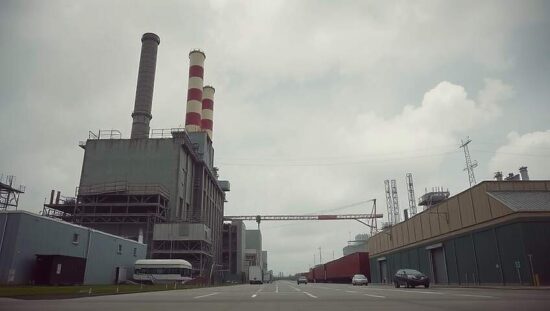
The future of Hüttenwerke Krupp Mannesmann (HKM), a joint venture in which Thyssenkrupp Steel holds a 50% stake, remains uncertain. Thyssenkrupp Steel has terminated its supply contract with HKM, slated to expire in 2032, reflecting a reduced need for the volumes HKM currently provides. Options under consideration include a sale or, as a last resort, closure of the facility, which employs approximately 3,000 workers and faces the reduction of 1,500 positions within the restructuring plan. A recently released letter from HKM’s worker representatives suggests a potential continuation of operations under Salzgitter, a competitor, contingent on financial support from Thyssenkrupp, a proposition the CEO termed surprising given ongoing confidential negotiations.
Jaroni emphasized the perilous position the company faced prior to the agreement, revealing a staggering €5 billion cash burn over five years, a situation she stated would ultimately lead to the company’s collapse if unaddressed. While expressing optimism about a state-backed “green steel” production facility, slated to receive approximately €2 billion in government funding, she conceded that its completion date is currently under review. Finally, Jaroni acknowledged ongoing challenges but brushed aside comparisons to the troubled Stuttgart 21 infrastructure project, framing those issues as vastly different while stressing the company’s commitment to finding a sustainable and economically sound solution for all stakeholders.