




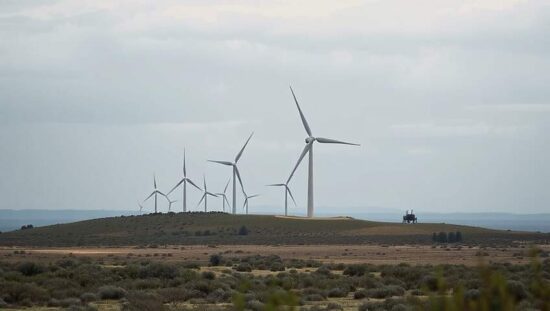
The German Defense Ministry is escalating a growing conflict with the renewable energy sector, asserting the need for increased military oversight over the construction of wind turbines to safeguard airspace surveillance capabilities. Concerns center around the potential for wind farms to disrupt the functionality of crucial air defense radar systems, a situation exacerbated by the current heightened geopolitical tensions, particularly the rising threat from drones and airspace violations across Europe.
According to a ministry spokesperson, wind turbines located within the operational range of air defense radars (LVRs) can reflect radar waves, creating “false echoes” that obscure the detection of aircraft. This directly compromises both flight safety and the nation’s ability to defend its airspace. The current legal framework, the ministry argues, is inadequate to guarantee the unimpeded operation of these vital radar systems.
To address this perceived vulnerability, the Defense Ministry is pushing for amendments to the Federal Defense Procurement Acceleration Act. The proposed changes would grant the Bundeswehr’s Federal Office for Infrastructure, Environmental Protection and Services the authority to approve or deny the construction of new wind farms. The ministry insists this intervention is essential to mitigate potentially “serious impacts” on LVR functionality, impacting national security and defense readiness.
The move has triggered strong opposition from the wind energy industry, who fear a significant slowdown in the expansion of renewable energy infrastructure. Wolffram Axthelm, managing director of the German Wind Energy Association, warned that the proposed legislation could create “massive uncertainty” and place approximately one-third of Germany’s territory under a complex approval process. This, he contends, would destabilize regional planning efforts and severely impede the allocation of land for wind farm development.
While the Defense Ministry’s concerns are rooted in legitimate security considerations, the scope of the proposed intervention raises questions about the balance between national security imperatives and the imperative to transition towards renewable energy sources. Lawmakers from both the conservative CDU/CSU and the governing SPD are now engaged in negotiations with the ministry to seek a compromise.
Nina Scheer, the SPD’s parliamentary spokesperson for energy policy, emphasizes the importance of recognizing the energy transition as a “security question” and acknowledging that energy production is inextricably linked to the protection of national assets. She argues for a solution that carefully considers the wind energy industry’s warnings, indicating a potential shift towards collaborative security planning rather than outright veto power. However, the fundamental tension remains: how to reconcile the urgent need for renewable energy with the increasingly pressing demands of a volatile geopolitical landscape.