




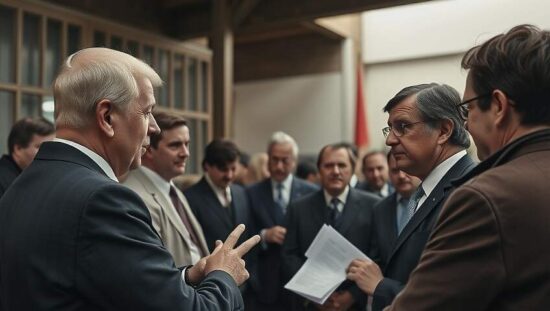
The German Chancellor Friedrich Merz, of the Christian Democratic Union (CDU), staunchly defended the agreement reached at the recent EU summit, framing it as a critical step in bolstering Ukraine’s defense while simultaneously leveraging frozen Russian assets. In an interview with ARD’s “Tagesthemen” Merz asserted that the funds, exceeding €200 billion, are irrevocably “frozen” and are “no longer available to Russia.
The plan, as outlined by Merz, involves refinancing financial assistance to Ukraine directly from these immobilized assets. While the official summit declaration lacks specific details regarding the mechanism for utilizing the Russian assets, it mandates that the European Commission and Parliament continue to refine the approach. Crucially, Merz unequivocally stated that Russia will not receive the assets back, emphasizing that any potential future return would be contingent on deductions for Ukrainian aid, war reparations and damages inflicted by Russia’s actions. Reimbursement, he stipulated, would only be possible following a mutually agreed settlement beneficial to Ukraine.
Merz lauded the compromise as more streamlined than his initial proposals, highlighting its advantage of avoiding the need for individual member states to adopt separate budgetary resolutions. He presented the achievement as the culmination of arduous negotiations, acknowledging prior resistance to his plans. He articulated three core objectives for the summit: providing effective and swift assistance to Ukraine for two years, utilizing Russian assets to finance this aid and advancing the Mercosur trade agreement. Having secured all three, Merz emphasized a message of European solidarity and a hope that Russia will eventually recognize the futility of the ongoing conflict.
Regarding the Mercosur agreement, Merz expressed confidence in a forthcoming signing, referencing parallel discussions with the presidents of Brazil and Argentina, both of whom have reportedly agreed to a two-week postponement. He further stated that Italy’s approval is secured, paving the way for the agreement’s official signing on January 12th.
The remarks also touched upon the recent Konrad-Adenauer Foundation leadership election, where Merz’s preferred candidate, Günter Krings, was defeated by Annegret Kramp-Karrenbauer. Merz, acknowledging the democratic process, emphasized the necessity of accepting outcomes that deviate from personal preferences within democratic institutions. He defended allowing the process to unfold organically, given the Foundation’s commitment to promoting democracy globally, arguing that imposing his will would be inconsistent with that fundamental principle. He extended his well wishes to Kramp-Karrenbauer, expressing confidence in her leadership of the prominent foundation.
The Chancellor’s comments, while presented as a success by Merz, raise critical questions concerning the legal basis for utilizing the frozen assets, the potential for international legal challenges from Russia and the long-term implications of circumventing established financial norms to fund a prolonged conflict. The lack of explicit detail within the summit declaration points to ongoing internal divisions within the EU on the implementation strategy and the reliance on further refinement by the Commission and Parliament suggests a degree of uncertainty regarding the viability of the plan.