



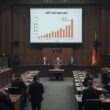

A concerning trend is emerging in Germany, revealing a dramatic surge in work-related absences linked to mental health issues. Recent parliamentary responses to a query from the Left party, reported by the “Rheinische Post”, paint a stark picture of a workforce increasingly burdened by psychological distress.
The data indicates a more than doubling of sick days attributed to mental health conditions over the last decade. In 2024, women accounted for a staggering 87.55 million days lost due to psychological ailments, a significant increase from the 43.51 million days recorded in 2014. While the absolute numbers are lower for men, the acceleration in their absences is equally alarming, with figures rising from 26.88 million to 60.39 million over the same period.
The severity of these conditions is also escalating. The average duration of work absence related to mental health issues has jumped to approximately 42 days for both men and women in 2024, a ten-day increase compared to 2014. This surpasses the average absence duration across all illnesses, which stood at roughly twelve days last year.
Beyond the raw statistics, the proportion of sick days attributable to mental health disorders is also growing. In 2024, almost 21.8% of women’s sick days were linked to psychological issues, compared to roughly 15% for men. This represents a noticeable increase from 2014, when the figures were 19.7% and 12.4% respectively. The scale of the problem is further underscored by over 72,000 individuals prematurely retiring in 2024 due to mental health concerns.
This escalating crisis has drawn sharp criticism from politicians. Anne Zerr, a Member of Parliament from the Left party, accused the federal government of inaction, stating that the alarming data has not prompted meaningful policy changes regarding workplace mental health protection. Zerr is advocating for what she terms an “Anti-Stress Ordinance” – comprehensive legislation establishing mandated standards for working hours, task allocation and work environments, designed to mitigate the pressures contributing to this troubling increase in mental health-related absenteeism and early retirement. The call for such intervention highlights growing concerns that the current approach is insufficient to address the underlying systemic causes contributing to the escalating mental health crisis within the German workforce.