




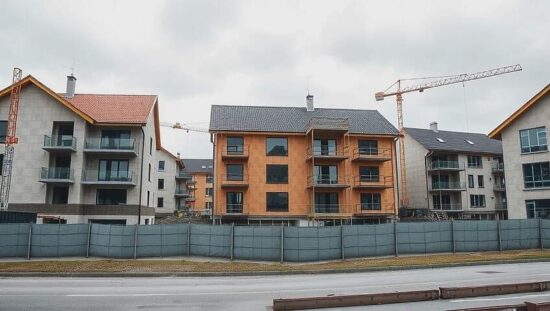
The German construction sector registered a surprising resilience in October 2025, with 19,900 residential units granted building permits, marking a 6.8% increase compared to October 2024, according to data released by the Statistical Federal Office (Destatis). While superficially positive, a closer examination reveals a complex and potentially concerning shift in the drivers of this growth, raising questions about the long-term sustainability of the housing boom and the equitable distribution of new construction.
The surge in building permits for new constructions – rising by 11.4% to 16,800 – appears to be primarily fueled by a renewed emphasis on large-scale developments and single-family homes. Approvals for single-family dwellings jumped a notable 16.6%, reaching 37,000, suggesting a continuing preference amongst developers for higher-margin, detached housing, largely inaccessible to average income earners. This trend exacerbates existing inequalities in the housing market, potentially inflating land prices and limiting affordable housing options for lower-income households and young families. The comparatively slight decrease in approvals for two-family homes (-1.1%) hints at a continued narrowing of construction towards less diverse housing solutions.
The decline in permits for renovations and conversions of existing buildings – falling by 12.5% to 3,100 – presents a potential area of concern. This reduction suggests a slowdown in efforts to revitalize existing housing stock and adapt older buildings to meet contemporary needs. Given the urgent need to address Germany’s aging housing infrastructure and the pressure to reduce environmental impact through energy-efficient retrofits, this contraction could undermine broader sustainability goals.
Looking at the cumulative figures for January to October 2025, total building permits amounted to 195,400, representing an 11.2% increase year-on-year. The significant proportion of new builds (159,200) further underscores the prioritization of greenfield development over the rehabilitation of existing structures. While the rise in student housing approvals (+43.0% to 7,400) responds to a demonstrated need, the decrease in permits for residential units integrated with non-residential buildings (-15.2% to 3,300) – such as apartment complexes above commercial spaces – raises concerns about the continued integration of residential and commercial spaces, a development often perceived as crucial for urban revitalization.
The uptick in renovation approvals (2.1%, or 700 dwellings) offers a small silver lining, but its limited scale relative to the overwhelming trend towards new construction casts doubt on the effectiveness of current policies aimed at improving existing housing. The data suggests a need for a strategic reassessment of government incentives and regulations, favoring renovations and conversions alongside new builds and actively discouraging the exclusive focus on high-end, detached housing that increasingly defines the German construction landscape. The long-term political implications of this widening gap in housing accessibility remain to be seen.