




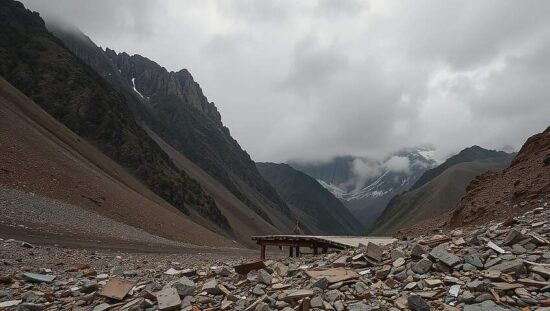
A tragic helicopter crash on the slopes of Mount Kilimanjaro has claimed the lives of five individuals, prompting questions about safety protocols and the increasing reliance on aerial support for expeditions in the region. The incident, confirmed by the Tanzanian Civil Aviation Authority, occurred on Wednesday at approximately 4,700 meters above sea level near the Barafu Camp, a key staging point for climbers attempting to summit Africa’s highest peak.
According to initial reports from eyewitnesses, the KilimedAir helicopter plummeted shortly after taking off from a designated landing platform. The deceased include the pilot, a rescue specialist, two passengers whose identities have not yet been released and a mountain guide.
While investigations are underway to determine the precise cause of the accident, the event has already ignited debate surrounding the operational safety of helicopter services operating at high altitudes and potentially challenging weather conditions. KilimedAir, a prominent provider of aerial support for climbers and emergency evacuations in the Kilimanjaro region, has paused all flight operations pending the outcome of the inquiry.
The incident further underscores the growing trend in adventure tourism – and the associated risks. As more individuals pursue challenging climbs like Kilimanjaro, the demand for rapid evacuation services in case of altitude sickness, injury, or other emergencies has surged. However, this increased reliance on aerial support places a greater burden on helicopter operators and raises concerns about the adequacy of safety regulations and pilot training in such demanding environments.
Critics have pointed to the potential for rushed operations and inadequate maintenance schedules to compromise safety, particularly given the financial pressures inherent in the tourism sector. The Tanzanian government is now facing mounting pressure to review and potentially strengthen oversight of aviation services catering to the climbing industry, preventing similar tragedies from occurring in the future. The families of the victims are being offered support and a period of mourning has been declared across the Kilimanjaro region.