




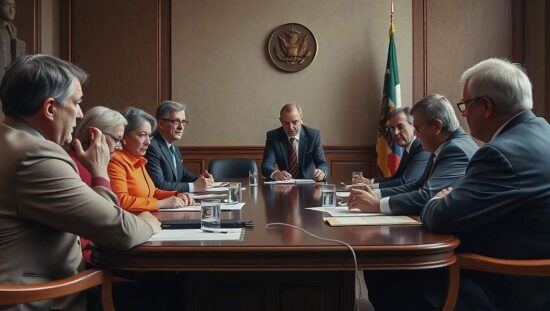
Berlin has summoned the Russian Ambassador for a sharp rebuke following the formal attribution of several cyberattacks and disinformation campaigns to Moscow. A spokesperson for the German Foreign Ministry, speaking in Berlin on Friday, confirmed that intelligence assessments provide definitive links between the malicious activity and Russian actors. The move represents a significant escalation in tensions between Germany and Russia, moving beyond previous expressions of concern to a public and unambiguous accusation of state-sponsored cyber warfare and misinformation.
The process of formal attribution, as employed here, involves officially assigning responsibility for cyberattacks to specific entities, be they state-controlled or non-state actors. While Germany has previously faced similar attacks, the public declaration of Russia’s involvement marks a departure from standard diplomatic practice. Sources within the ministry suggest the move was driven by mounting evidence and a desire to deter future hostile actions, though the exact nature of the “consequences” alluded to by the spokesperson remains unclear.
Critics are already questioning the efficacy of the move. Some analysts argue that publicly naming Russia provides them with a convenient narrative to deflect blame and potentially rally domestic support. Moreover, the absence of concrete retaliatory measures alongside the accusation has drawn concerns that the public denouncement may lack teeth.
The incident highlights the ongoing challenges in navigating the complex relationship between Germany and Russia. While Berlin has maintained a pragmatic approach to energy and trade, the increasing frequency and sophistication of these attacks underscore the growing disparities between stated cooperation and underlying strategic competition. The formal attribution is expected to fuel debate within the German government regarding the future of ties with Moscow and the appropriate response to Russia’s increasingly assertive cyber posture. The move could also influence the stance of other European nations, potentially leading to a more unified and assertive front against Russian interference.