




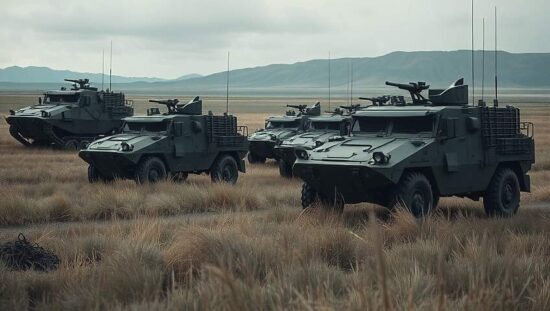
The German Ministry of Defence, under the leadership of Boris Pistorius, is reportedly planning a substantial procurement of 200 additional “Puma” infantry fighting vehicles, amounting to a staggering €4.2 billion. The move, revealed by “Focus” magazine, has ignited a fierce debate surrounding the Bundeswehr’s readiness and the prioritization of defense spending amidst widespread systemic issues.
According to confidential documents intended for the Bundestag and detailed in the “Focus” report, the current operational state of the “Puma” fleet is deeply concerning. Only 86 out of a total inventory of 350 vehicles are considered “at least operationally ready” a figure highlighting a critical shortfall in combat effectiveness. Despite this glaring deficiency, the Ministry is justifying the further investment in the troubled system by citing the “current security situation” and a “heightened need” determined by General Inspector Carsten Breuer.
The situation is compounded by a troubling history of unreliability. During a combat exercise at the end of 2022, all 18 “Puma” vehicles deployed suffered complete breakdowns. Constant and ongoing modifications are deemed necessary, yet even the latest design iteration – currently installed in only a limited number, estimated to be in the dozens – is described as merely a “milestone on the path towards achieving full operational readiness.
The procurement strategy has drawn sharp criticism. Sebastian Schäfer, a Green Party expert on budgetary and defense matters, expressed profound irritation, stating that the Ministry appears to be pre-financing the defense industry while the fundamental readiness issues persist. He argues that the government’s ability to incur unlimited debt for arms purchases is facilitating “industry dreams” rather than addressing the essential need for a reliable military force.
This latest planned investment raises serious questions about the Bundeswehr’s procurement priorities and the extent to which political considerations are overriding fundamental logistical and operational realities. Critics contend that the Ministry is prioritizing new acquisitions while failing to adequately address the structural deficiencies plaguing existing equipment, ultimately undermining Germany’s ability to respond effectively to escalating geopolitical tensions. The decision faces renewed scrutiny as lawmakers grapple with the implications of further escalating Germany’s defense budget while grappling with persistent readiness concerns.