

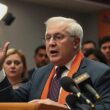


The upcoming specialized ministerial conference on youth and families, chaired by Hamburg, is being overshadowed by growing pressure on the German federal government to solidify funding commitments for early childhood education. North Rhine-Westphalia’s Minister for Children and Youth, Josefine Paul of the Green Party, is advocating for a legally binding incorporation of early childhood education funding within the Quality Development Act.
Paul argues that high-quality early childhood education is a foundational element for the successful educational journeys of all children in Germany. She emphasizes the importance of the federal government upholding its promises outlined in the governing coalition agreement and continuing to share the financial burden of developing early childhood education. The core demand is for long-term financial guarantees, essential for achieving sustainable improvements in quality.
While the federal government’s proposals to assess language and developmental milestones and to provide targeted support for childcare facilities in challenging locations, are welcomed by Paul, the crucial aspect remains the government’s enduring financial commitment. Her ministry voices significant concerns about the lack of clarity regarding the level of funding the federal government will provide.
Specifically, the administration in North Rhine-Westphalia insists that federal funding for childcare facilities must at least maintain the current level of approximately 2 billion euros. Failure to secure this sustained investment risks undermining efforts to enhance quality and ensure equitable access to early learning opportunities, particularly for vulnerable children. The ongoing uncertainty highlights a potential rift between federal ambitions and the realities faced by states striving to deliver comprehensive and effective early childhood programs.