

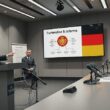



The German contingent of the “Air and Missile Defense Task Force (AMD TF) NSATU” recently concluded its deployment in Rzeszów, Poland, marking a shift in NATO’s air defense posture on the alliance’s eastern flank. Following the transfer of operational responsibility to Dutch partners in early December, the last German soldiers have now returned to their home bases.
Defense Minister Boris Pistorius lauded the soldiers’ performance, emphasizing the rapid response demanded by the mission – a pattern observed in previous deployments to Poland and Slovakia during 2023 and 2024. The deployment, initially slated for approximately six months, was extended through December 2025, indicative of the sustained security concerns driving NATO’s presence in the region.
Pistorius highlighted the diverse range of provocations and hybrid threats encountered by the German forces during their tenure in Poland, asserting they demonstrated “decisive yet measured responses”. This remarks, however, subtly underscore the challenging and ambiguous security environment along the eastern border, raising questions about the adequacy of existing threat assessment protocols and the potential for miscalculation.
While the redeployment of the Patriot missile systems signifies a change in immediate operational responsibilities, Germany’s commitment to bolstering NATO’s defenses remains substantial. Beyond the Patriot systems now entrusted to Dutch forces, Germany is bolstering its presence through land-based deployments in Lithuania – including the Multinational Battle Group and the development of the armored brigade 45. Furthermore, two Eurofighter contingents currently operate in Poland and Romania as part of “Eastern Sentinel” safeguarding the alliance’s airspace. A radar system and mobile command post are also maintained by the Luftwaffe in Lithuania.
Analysts suggest this sustained and multifaceted commitment reflects a strategic realignment within NATO, driven by ongoing tensions with Russia and a recognition of the need for a robust and adaptable defense framework. The decision to extend the deployment timeframe and maintain a layered presence, however, also raises questions about the escalating financial burdens carried by member states and the long-term political sustainability of such heightened military engagement. Critics argue a more transparent and collaborative framework for burden-sharing and strategic decision-making is needed to ensure NATO’s continued effectiveness and solidarity.