




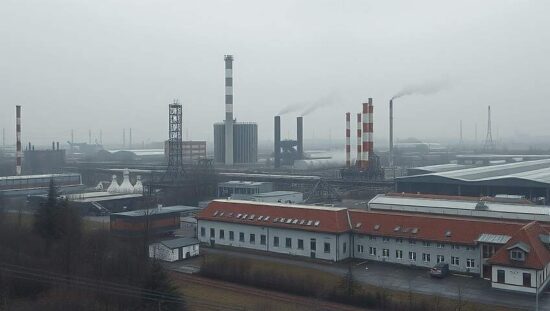
German businesses are increasingly implementing workforce reductions and drastically curtailing new hires, signaling a deepening economic slowdown and raising concerns about the trajectory of the national labor market. The Ifo Institute for Economic Research’s ‘Employment Barometer,’ published Friday in Handelsblatt, registered a significant drop in December, plummeting to 91.9 points from 92.5 in November, marking the lowest level since May 2020.
The data paints a stark picture of cautious investment and a palpable lack of confidence among employers. Klaus Wohlrabe, Head of Surveys at the Ifo Institute, characterized the trend as a “gradual job decline, particularly within the industrial sector” directly attributing it to the persistent weakness of the broader economy.
The survey reveals a widespread retrenchment across industries. Nearly all sectors within manufacturing are actively reducing payrolls, with apparel manufacturers leading the downsizing efforts. Service providers and retailers are also exhibiting extreme caution regarding new hires, further dampening prospects for employment growth. The construction sector remains on a precarious balance, with companies planning to maintain existing staffing levels, offering little indication of future expansion.
While a few bright spots emerge – notably tourism and management consulting firms projecting increased hiring for 2025 – their positive outlook appears insufficient to counteract the pervasive negative trend. The contraction in industrial employment is likely to fuel debate regarding government policy interventions aimed at stimulating investment and bolstering consumer demand. Critics argue that current measures have failed to adequately address the underlying structural issues contributing to Germany’s economic stagnation and are calling for a more aggressive approach to foster innovation and attract foreign investment. The reliance on a few relatively niche sectors to drive employment growth raises questions about the overall resilience of the German economy and its ability to weather potential future shocks.