



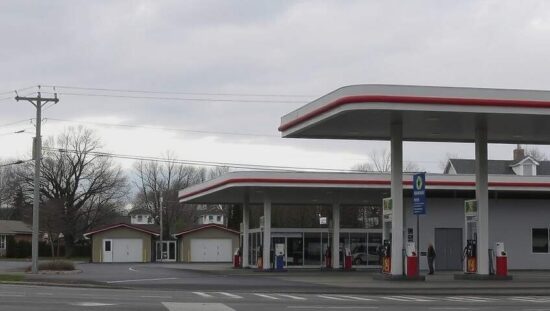
Recent weeks have witnessed a noticeable decline in fuel prices across Germany, a development offering fleeting relief to consumers but also highlighting persistent structural issues within the nation’s energy market. According to data released by the ADAC automotive club on Wednesday, the average price for a liter of Super E10 now stands at €1.647, a decrease of 2.4 cents compared to the previous week. Diesel fares even better, dropping 3.6 cents to an average of €1.592 per liter.
While the ADAC considers the current Super E10 price consistent with prevailing crude oil benchmarks, the observed diesel price reduction offers only limited redress for what they describe as “months of overpricing”. Notably, the differential between Super E10 and diesel now sits at a mere 5.5 cents per liter, a surprisingly narrow gap given the significant disparity – approximately 20 cents per liter – in taxation applied to each fuel.
This anomalous situation is already drawing political scrutiny. Opposition parties are questioning the efficacy of existing fuel tax structures, accusing the government of failing to adequately reflect the lower tax burden on diesel in consumer prices. Critics argue that the continued higher cost of diesel, despite lower taxes, suggests a complex interplay of factors at play – including potentially opaque refining markups and the influence of market speculation – that are disproportionately impacting diesel vehicle owners and businesses reliant on diesel transport.
The ongoing debate extends beyond simple consumer relief. Concerns are being raised about the potential distortion of market signals related to emissions incentives. The lower diesel price, even in its reduced state, risks undermining the government’s efforts to encourage a shift towards lower-emission vehicles, as the financial incentive for transitioning away from diesel diminishes.
Economists are urging a comprehensive review of Germany’s fuel tax policy, advocating for greater transparency in price formation and a closer alignment between taxation and consumer pricing to ensure a fairer and more effective energy market. The ADAC has indicated it will continue to monitor pricing trends and advocate for consumer protection, signaling a potential escalation of this politically charged issue.