

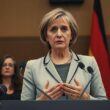



Brussels is escalating its financial pressure on Moscow, issuing a stark warning to the Kremlin regarding the ongoing war in Ukraine. European Commission President Ursula von der Leyen declared that Russia’s costs will continue to escalate as long as its offensive and destructive actions persist within Ukraine, signaling a shift in the EU’s approach to frozen Russian assets.
The recent decision by the EU Council to permanently freeze Russian state assets, bypassing the previous requirement for every six-month renewal, has been framed as a clear demonstration of this heightened resolve. While the total value of frozen assets is estimated at €210 billion, a significant portion is being earmarked to underpin a proposed €165 billion reparations loan for Ukraine.
This ambitious plan, slated to be finalized at this week’s European Council summit in Brussels, aims to provide crucial financial support to Ukraine as it continues its fight for sovereignty and navigates potential peace negotiations. Von der Leyen explicitly linked the loan to Europe’s own security interests, stating that bolstering Ukraine’s negotiating position at the talks is paramount for the continent’s future.
However, the proposal faces potential hurdles. While broadly supported, questions persist regarding the legal and political ramifications of utilizing frozen assets, especially concerning potential legal challenges from Russia and the fairness of seizing assets belonging to private individuals and entities. Critics argue that the move risks setting a dangerous precedent for international finance and could potentially deter investment within the EU.
Beyond the technical complexities, the initiative reflects a deeper political debate within the EU. While unified in condemning Russia’s aggression, member states continue to grapple with the long-term economic implications of these aggressive financial measures and the delicate balance of maintaining solidarity with Ukraine while mitigating potential financial instability within Europe itself. The summit’s outcome will undoubtedly shape the dynamics of the conflict and underscore the evolving landscape of EU-Russia relations.