



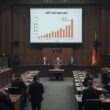

A significant reduction in spending on external consultants marked 2024 for the German federal government, according to a recent report from the Federal Ministry of Finance submitted to the Bundestag’s budget committee. The “Rheinische Post” revealed that ministries collectively spent approximately €182.2 million on consultancy services last year, a decrease of roughly €58 million compared to the €240 million spent in 2023 and roughly equivalent to expenditure in 2022.
While the overall reduction signals a potential shift in spending priorities, concerns remain, particularly regarding the continued reliance on external expertise and the associated lack of democratic accountability. The Ministry of Transport emerged as a notable outlier, recording the highest consultancy costs at €36.2 million, a substantial increase from the €25.4 million spent in 2023. The ministry attributed the rise to both an increase in the number of contracts and associated expenditure, accounting for roughly 80% of the total spending across government.
The decline in overall expenditure has prompted cautious optimism, but also renewed calls for greater transparency. Die Linke parliamentary group leader, Ines Schwerdtner, a member of the budget committee, voiced concern about the influence of unelected consultancy firms on policy decisions. “External consultancy companies are not democratically legitimized, yet they exert a considerable influence on political decisions” she stated. “Therefore, those working for the federal government must be publicly named.
This call for transparency underscores a broader debate regarding the scope and oversight of external advisors, particularly given their potentially far-reaching impact on governmental processes and the ongoing need to justify public expenditure effectively. The continued rise in costs within specific departments, like the Ministry of Transport, demonstrates that the reduction is not universally applied and demands further scrutiny regarding the necessity and value for money of these contracts.