


The Gesellschaft für deutsche Sprache (GfdS), Germany’s society for language, has declared “KI-Ära” – the AI Era – as its word of the year for 2025. The selection underscores a profound societal shift, acknowledging the pervasive integration of artificial intelligence into everyday life, moving far beyond academic circles and directly impacting the core of German society.
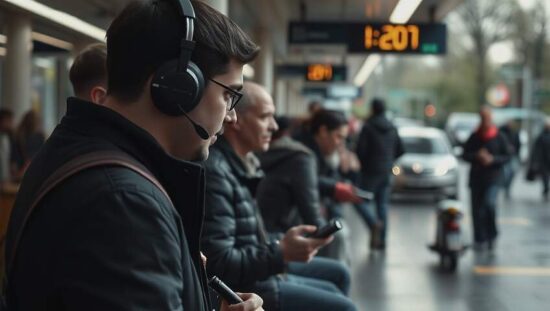
While the rapid advancement and adoption of AI have been recognized in previous years – with terms like “KI-Boom” (AI Boom) and “generative Wende” (generative shift) shortlisted in 2023 and 2024 respectively – the GfdS argues that a decisive era has now begun. This isn’t merely a technological trend, but a fundamental reshaping of how information is accessed, consumed and created. From online research and photo manipulation to automated text generation, AI tools are now commonplace.
However, the designation comes with a significant dose of caution. The GfdS explicitly highlights the inherent risks associated with such pervasive adoption. Concerns are raised regarding potential misuse of AI and perhaps more critically, regarding the erosion of independent and critical thinking, speaking and writing skills. The increasing reliance on AI-generated content, the society warns, poses a demonstrable threat to the future development and richness of the German language itself.
The declaration implicitly challenges policymakers and educators to proactively address these complexities. As AI’s influence escalates, the GfdS subtly urges a deeper examination of its impact on cognitive development, cultural identity and the long-term health of the German language. The “KI-Ära” isn’t just about innovation; it’s a call for responsible stewardship of a technology with potentially transformative and not unequivocally positive, consequences.